If you have decided to support your NAD+ levels, you hit this question immediately: NMN or NR?
Both are marketed heavily, each with confident claims of superiority. The honest answer is that they are more similar than either camp admits, and the differences that actually matter are not the ones usually argued about.
The short version
- Both raise blood NAD+ in humans. Well established for each.
- NR has been studied longer, with more published human trials.
- NMN sits one step closer to NAD+ in the pathway.
- Neither has been shown superior in a head-to-head human trial.
- Neither has consistently produced clinical benefits in humans beyond raising NAD+ itself.
That last point is the one the category tends to skip, so we will come back to it.
Where each sits in the pathway
The salvage pathway runs: NR → NMN → NAD+
NMN skips a step. That is the entire basis of the "NMN is closer, therefore better" argument — and it only matters if that step is a bottleneck, which has not been shown.
You may see a 2019 finding cited about a transporter called Slc12a8 supposedly carrying NMN directly into cells. We are leaving it out of our reasoning: that study was in mouse intestine, it was formally disputed in the same journal by researchers who concluded the data "do not support transport of NMN by Slc12a8,"1 and we found no independent replication or human equivalent.
What the human trials actually show
NMN
The strongest evidence is dose-response. A randomised, double-blind, placebo-controlled trial in 80 adults aged 40–65 found blood NAD+ rose significantly at 300mg, 600mg and 900mg daily over 60 days, with 600mg and 900mg outperforming 300mg.2 The trial was funded by an NMN manufacturer.
Other NMN trials worth knowing accurately:
- Insulin sensitivity: a 10-week trial of 250mg found improved muscle insulin sensitivity — but in 25 postmenopausal, prediabetic women who were overweight or obese.3 That result has been formally challenged, and the larger 80-person trial found no significant effect on insulin resistance. One small study in one specific group is not a general claim.
- Exercise: a 6-week trial in 48 amateur runners found improved ventilatory thresholds and oxygen utilisation — but explicitly no change in VO₂max.4 These were trained runners, not older or sedentary adults.
- Sleep: often cited, weakly supported. The 12-week trial usually referenced found no statistically significant effect on sleep quality overall; the interesting numbers came from a subgroup.5 We would not buy NMN for sleep.
NR
NR entered the market earlier and has more human data — first-in-human dosing work in 2016,6 then chronic dosing trials showing sustained NAD+ elevation.7 Safety at typical doses is well documented.
But the honest summary of that larger body of evidence is sobering: NR raises blood NAD+ without consistently raising NAD+ in the tissues of interest, and across trials it has generally not improved insulin sensitivity, physical function or cognitive outcomes.8
If NR — the more-studied of the two — has not delivered consistent clinical benefits, it is worth holding NMN's thinner evidence base to the same standard.
Blood NAD+ is not tissue NAD+
Nearly every positive human result in this category measures NAD+ in blood. That is what is easy to measure. Whether the tissues you actually care about follow is a separate question, and the NR data suggests the answer is not automatic.
Any brand implying that a rise in blood NAD+ equals a rise in your muscles, brain or liver is going beyond what has been shown.
What actually matters more than NMN vs NR
Dose
Human trials use hundreds of milligrams. Plenty of products contain a fraction. A well-dosed NR beats an underdosed NMN, and vice versa.
Third-party testing
Both compounds are expensive to make, which creates incentive to cut corners. Independent verification is the only way to know what is in the capsule.
Stacking
Neither touches the sirtuin side. Resveratrol is often paired for that reason — though as we cover in our NAD+ explainer, resveratrol's sirtuin mechanism is itself contested.
TMG
Commonly recommended alongside either compound on the theory that precursor metabolism consumes methyl groups. A clinical study of NR found no disturbance of methylation homeostasis, so treat this as theoretical rather than necessary.
So which should you take?
Either works for raising blood NAD+. Choose on dose, third-party testing and price per gram — not on mechanism arguments the research does not settle.
Lean NMN if you want the compound with current research momentum and now-competitive pricing. Lean NR if a longer human safety record matters to you.
What would be a mistake is paying a premium for either based on superiority claims that no head-to-head trial supports — or expecting outcomes that the trials have not yet demonstrated.
What we stock
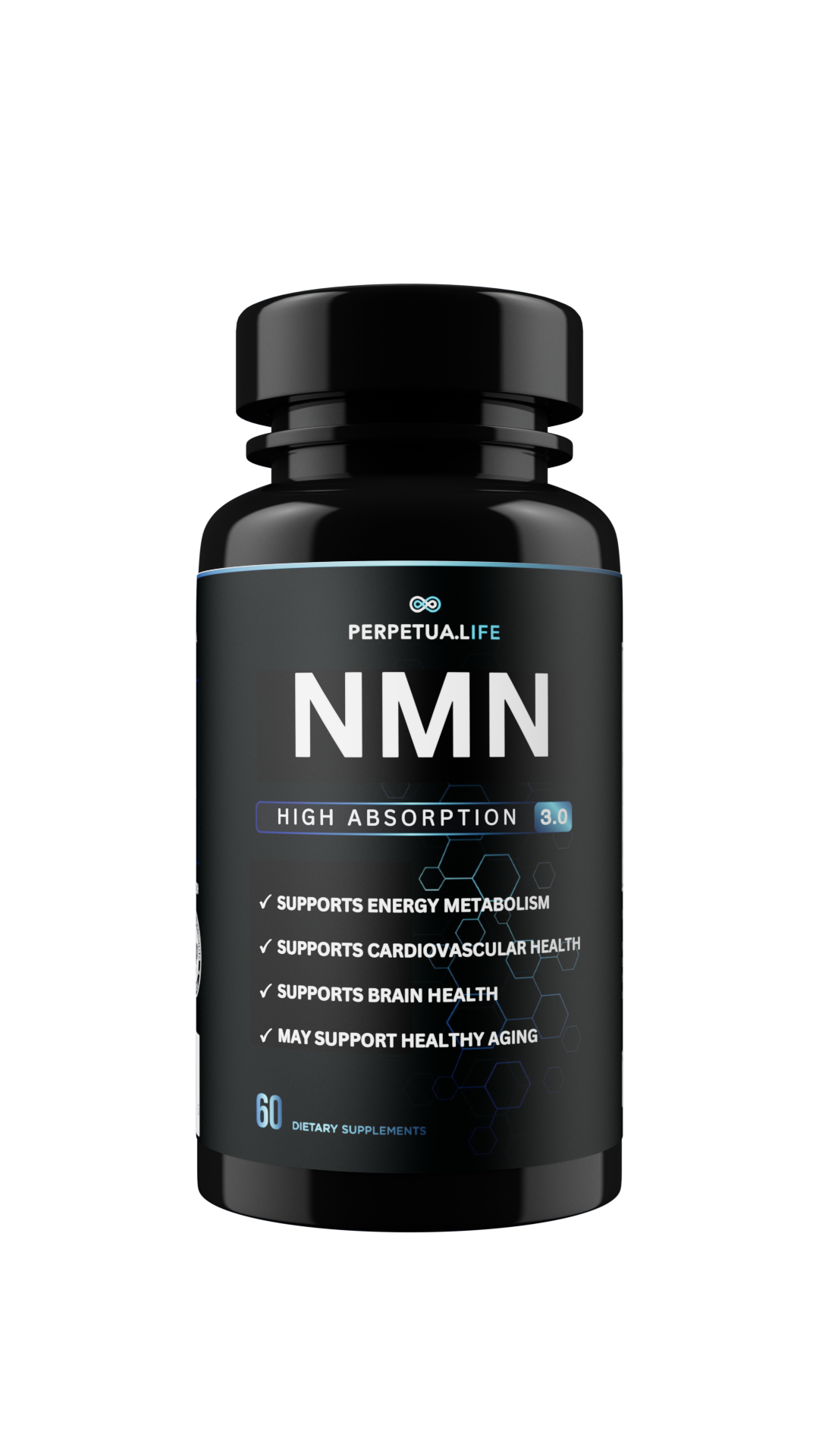
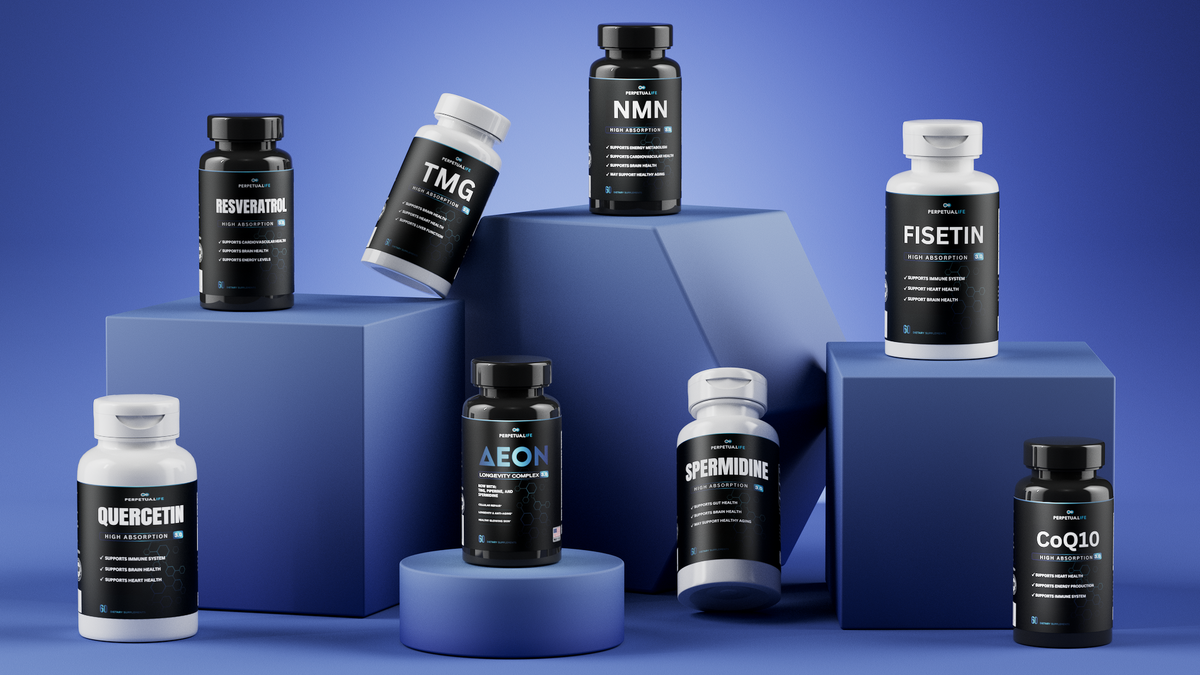
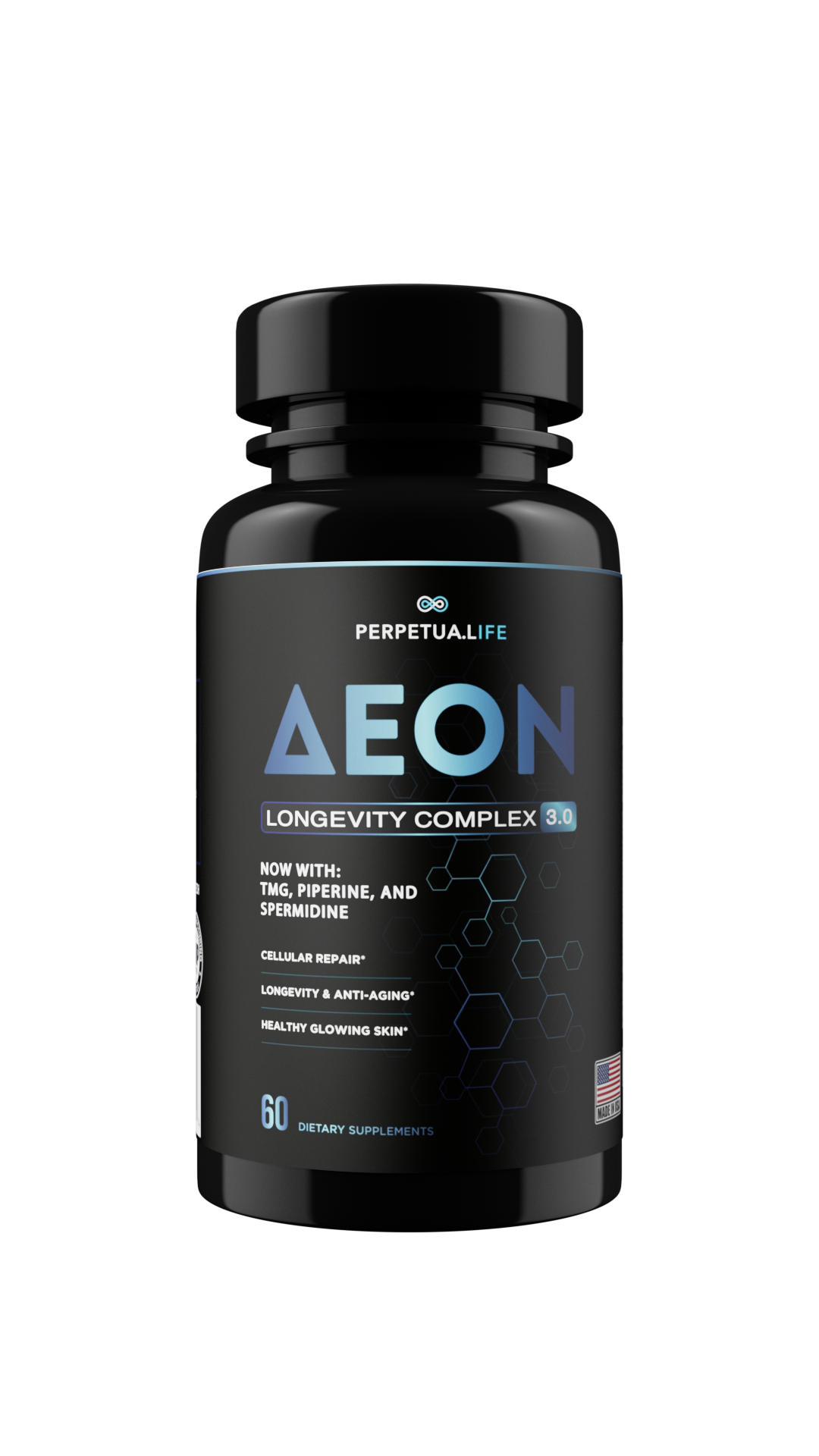
NMN 500mg — 500mg per serving, made in the USA in a GMP-certified facility, third-party lab tested. Also in the Super 3 Bundle with Resveratrol and AEON.
We stock NMN rather than NR. That is a sourcing and pricing decision, not a claim that NMN is scientifically superior — because as far as we can tell from the evidence, that has not been established.
References
- Schmidt MS, Brenner C. Absence of evidence that Slc12a8 encodes a nicotinamide mononucleotide transporter. Nat Metab. 2019;1:660–661. Link
- Yi L, et al. Efficacy and safety of β-NMN supplementation in healthy middle-aged adults: a randomized, dose-dependent clinical trial. GeroScience. 2023;45:29–43. Link
- Yoshino M, et al. Nicotinamide mononucleotide increases muscle insulin sensitivity in prediabetic women. Science. 2021;372(6547):1224–1229. Link
- Liao B, et al. Nicotinamide mononucleotide supplementation enhances aerobic capacity in amateur runners. J Int Soc Sports Nutr. 2021;18:54. Link
- Kim M, et al. Effect of 12-week intake of NMN on sleep quality, fatigue and physical performance in older Japanese adults. Nutrients. 2022;14(4):755. Link
- Trammell SAJ, et al. Nicotinamide riboside is uniquely and orally bioavailable in mice and humans. Nat Commun. 2016;7:12948. Link
- Martens CR, et al. Chronic nicotinamide riboside supplementation is well-tolerated and elevates NAD+ in healthy middle-aged and older adults. Nat Commun. 2018;9:1286. Link
- Brenner C. What is really known about the effects of nicotinamide riboside supplementation in humans. Sci Adv. 2023;9. Link
This article is for general information only and is not medical advice. Food supplements are not intended to diagnose, treat, cure or prevent any disease. Consult a qualified healthcare professional before starting any supplement, particularly if you are pregnant, breastfeeding, taking medication or managing a health condition.


اترك تعليقًا
This site is protected by hCaptcha and the hCaptcha Privacy Policy and Terms of Service apply.