If you have looked at supplements in the last few years you have seen NAD+ mentioned constantly — usually with very little explanation, and often with claims that run well ahead of the evidence.
This article covers what NAD+ actually is, what the human research does and does not show, and where supplements fit. Where the evidence is weak, we say so.
What NAD+ is
NAD+ stands for nicotinamide adenine dinucleotide. It is a coenzyme present in every living cell, and its central role is energy metabolism: it carries electrons through the reactions that turn food into usable cellular energy (ATP).
It is also the substrate for two families of enzymes that get a lot of research attention:
- Sirtuins — proteins involved in how cells respond to stress.
- PARPs — enzymes activated by DNA damage.
An important technical point: these enzymes consume NAD+ rather than simply using it as a helper. They break it down as they work, which is why supply matters.1
Does NAD+ really decline with age?
You will often see a specific figure quoted — that you lose half your NAD+ between your twenties and fifties. We are not going to repeat it, because we could not find a human study that reports it. It appears to be an extrapolation that spread through supplement marketing rather than a measured result.
What the human research actually shows is narrower. A study of human skin tissue across ages 0–77 found NAD+ levels correlating inversely with age, more strongly in men than women, alongside rising PARP activity.2 A separate study measured NAD+ in living human brain tissue and found a modest age-related decline.3
So: a decline has been observed, in specific tissues, in a limited number of studies. The size varies. A 2025 review in Nature Metabolism put it plainly — evidence for an age-related NAD+ decline in humans "has been consistently observed only in a limited number of studies."4
That same review is worth quoting on the bigger question, because it is the most current assessment of the field: while animal studies are promising, "human clinical trials have shown limited efficacy."4
We would rather you read that from us than find it elsewhere.
Why supplements use precursors
NAD+ is a large, charged molecule. Animal work indicates it is broken down in the gut rather than absorbed intact,5 which is why supplements use precursors — smaller molecules the body converts into NAD+. Direct human pharmacokinetic data on oral NAD+ itself is lacking.
NMN
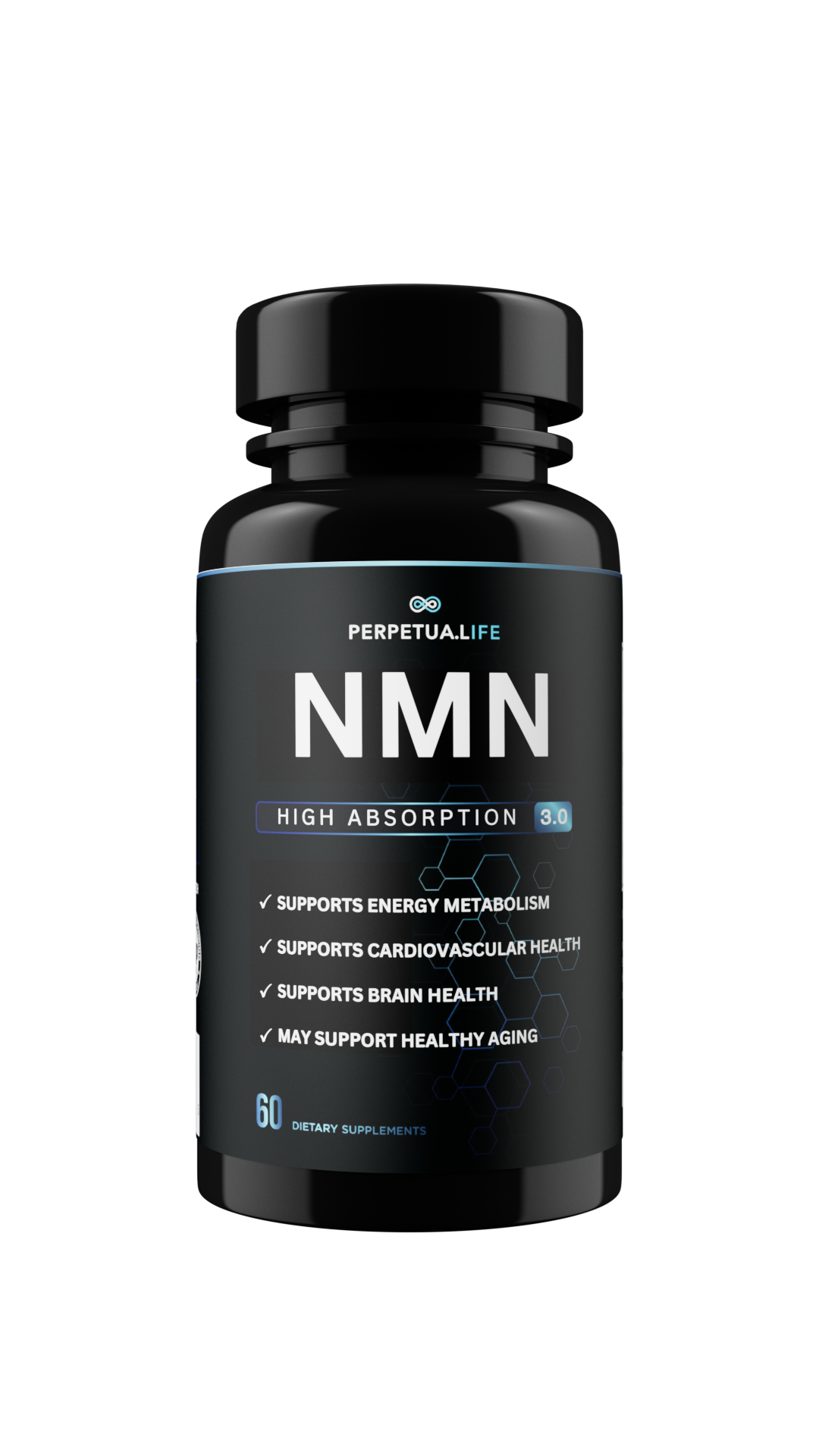
NMN (nicotinamide mononucleotide) sits one step from NAD+ in the biosynthesis pathway. This is the best-supported claim in the category: a randomised, double-blind, placebo-controlled trial in 80 adults aged 40–65 found blood NAD+ significantly increased at 300mg, 600mg and 900mg daily over 60 days, with 600mg and 900mg outperforming 300mg.6 (That trial was funded by an NMN manufacturer — worth knowing.)
One nuance that most articles skip: these trials measure blood NAD+. Whether tissue NAD+ rises correspondingly is a separate and less settled question.
NR
NR (nicotinamide riboside) converts to NMN, then to NAD+. It has been studied longer, and reliably raises blood NAD+ too.7 We compare the two in detail in NMN vs NR.
Resveratrol — and an honest note on the science
Resveratrol is not a precursor and does not raise NAD+. It is a polyphenol associated with the sirtuin pathway — but that story is more complicated than it is usually told.
A 2003 paper reported resveratrol activating SIRT1 directly. In 2010 that finding was shown to be an artifact of the tagged peptide used in the assay; with natural substrates, no activation occurred.8 Later work found resveratrol can stimulate SIRT1 allosterically, but only with certain substrates.9 Other researchers argue its effects run through different pathways entirely.
The honest position: the mechanism is genuinely unresolved. Anyone telling you resveratrol "activates your longevity genes" is describing a claim that was challenged fifteen years ago.
Resveratrol is also poorly bioavailable — well absorbed, but rapidly metabolised, leaving very little unchanged compound circulating.10 Piperine has been shown to increase resveratrol exposure in mice; a human trial did not confirm a bioavailability benefit.11 Where our formulations include piperine, it is on the basis of that preclinical work — not a proven human effect.
TMG — a theory, not a requirement
It has been proposed that high-dose NAD+ precursor intake increases demand for methyl donors, which is why some people add TMG. This remains theoretical: a clinical study of NR found no disturbance of methylation homeostasis.12 TMG has its own uses — but we are not going to tell you it is necessary, because that has not been shown.
What about safety?
NMN has been well tolerated in randomised trials at up to 900mg daily for 60 days,6 and 1,250mg daily for four weeks.13 No serious adverse events were reported.
Long-term safety has not been established. The trials are weeks to months, not years.
A realistic summary
NAD+ is real and important biochemistry. Declines have been observed in some human tissues. NMN and NR reliably raise blood NAD+ levels.
What has not been demonstrated is that raising it produces the broad benefits the category advertises. The human outcome data is mixed, the trials are small, and several are industry-funded.
If you take these supplements, take them as one part of a routine built on sleep, movement and diet — not as a substitute for any of them.
Where to start
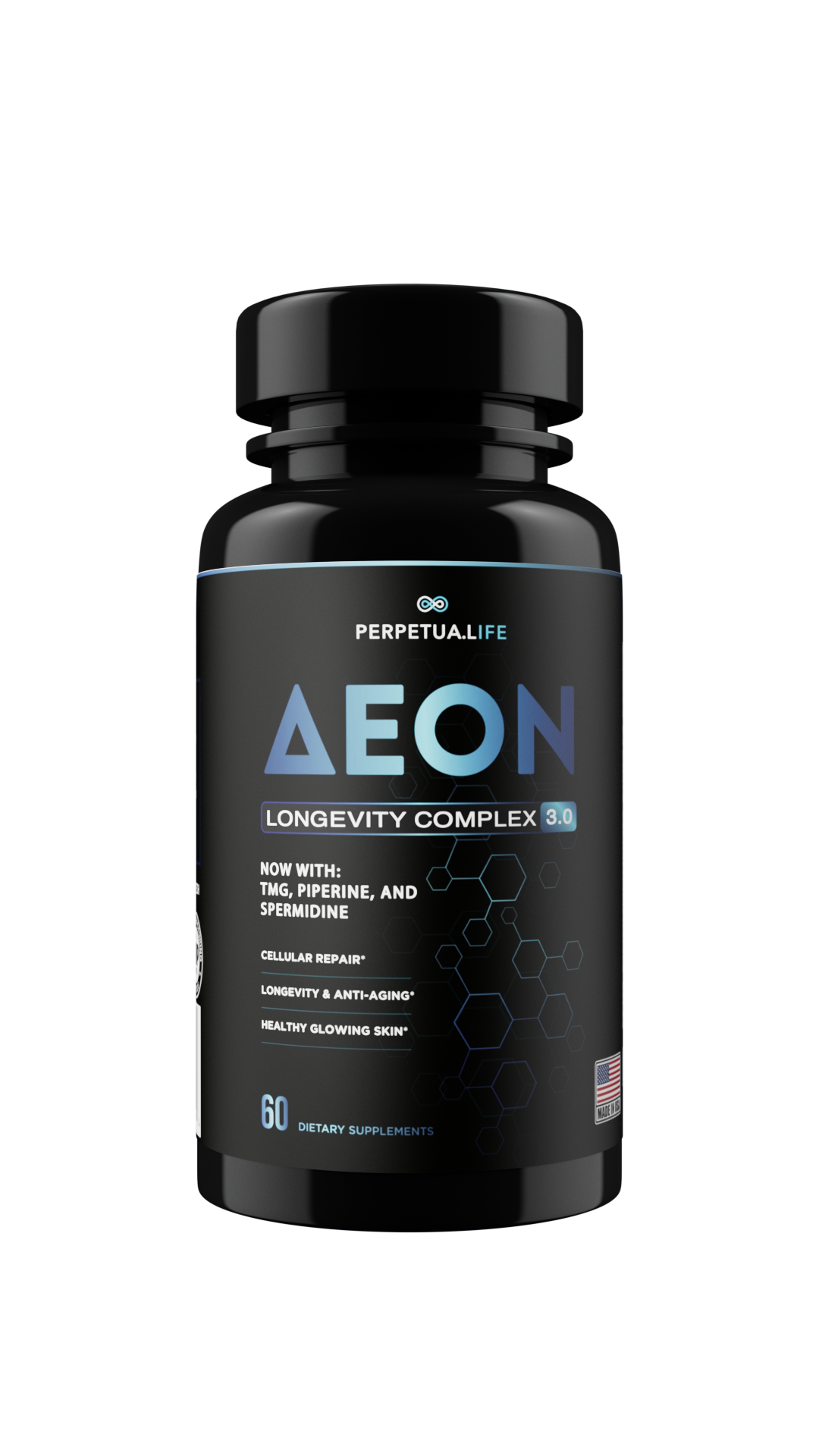
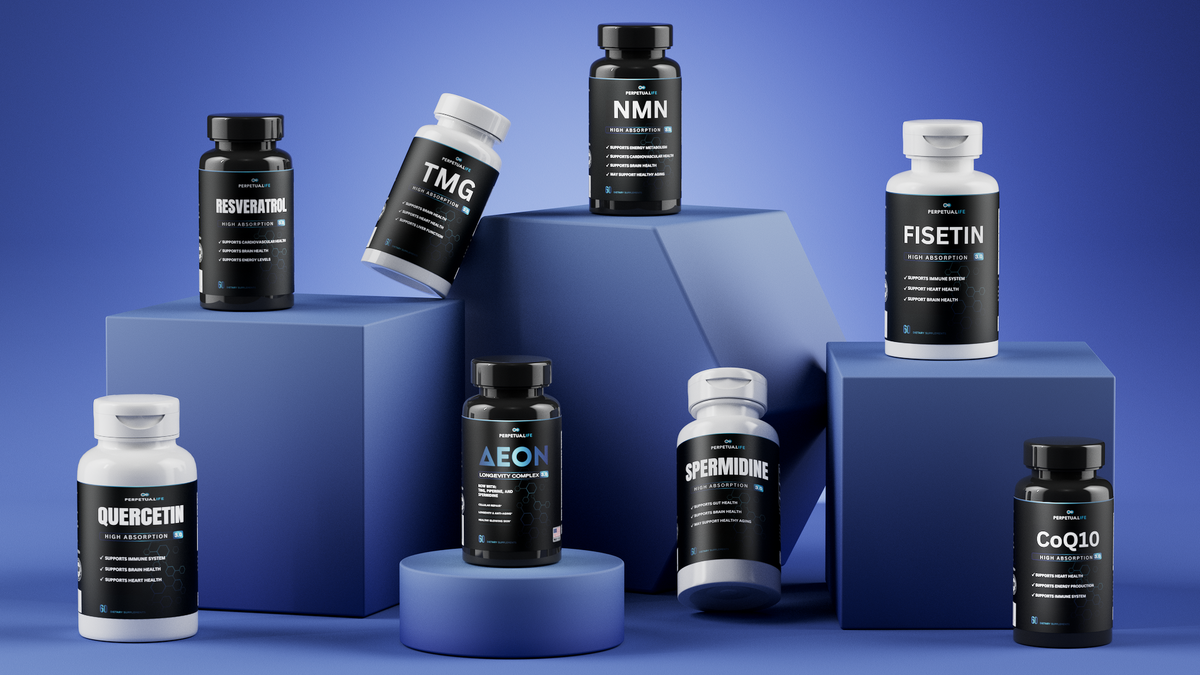
The Super 3 Bundle combines AEON, NMN and Resveratrol. NMN 500mg is the simplest single starting point. All Pharma Tech supplements are manufactured in the USA in GMP-certified facilities and third-party lab tested.
References
- Covarrubias AJ, et al. NAD+ metabolism and its roles in cellular processes during ageing. Nat Rev Mol Cell Biol. 2021;22(2):119–141. Link
- Massudi H, et al. Age-associated changes in oxidative stress and NAD+ metabolism in human tissue. PLoS ONE. 2012;7(7):e42357. Link
- Zhu X-H, et al. In vivo NAD assay reveals intracellular NAD contents in healthy human brain and their age dependences. PNAS. 2015;112(9):2876–2881. Link
- Vinten KT, et al. NAD+ precursor supplementation in human ageing: clinical evidence and challenges. Nat Metab. 2025;7:1974–1990. Link
- Gross CJ, Henderson LM. Digestion and absorption of NAD by the small intestine of the rat. J Nutr. 1983;113(2):412–420. Link
- Yi L, et al. Efficacy and safety of β-NMN supplementation in healthy middle-aged adults: a randomized, dose-dependent clinical trial. GeroScience. 2023;45:29–43. Link
- Martens CR, et al. Chronic nicotinamide riboside supplementation is well-tolerated and elevates NAD+ in healthy middle-aged and older adults. Nat Commun. 2018;9:1286. Link
- Pacholec M, et al. SRT1720, SRT2183, SRT1460 and resveratrol are not direct activators of SIRT1. J Biol Chem. 2010;285(11):8340–8351. Link
- Cao D, et al. Structural basis for allosteric, substrate-dependent stimulation of SIRT1 activity by resveratrol. Genes Dev. 2015;29(12):1316–1325. Link
- Walle T. Bioavailability of resveratrol. Ann N Y Acad Sci. 2011;1215(1):9–15. Link
- Wightman EL, et al. Effects of resveratrol alone or in combination with piperine on cerebral blood flow and cognitive performance in human subjects. Br J Nutr. 2014;112(2):203–213. Link
- Brakedal B, et al. Nicotinamide riboside supplementation is not associated with altered methylation homeostasis in Parkinson's disease. iScience. 2023;26(5):106658. Link
- Fukamizu Y, et al. Safety evaluation of β-NMN oral administration in healthy adult men and women. Sci Rep. 2022;12:14442. Link
This article is for general information only and is not medical advice. Food supplements are not intended to diagnose, treat, cure or prevent any disease. Consult a qualified healthcare professional before starting any supplement, particularly if you are pregnant, breastfeeding, taking medication or managing a health condition.


Leave a comment
This site is protected by hCaptcha and the hCaptcha Privacy Policy and Terms of Service apply.